You know that uncomfortable feeling when your stomach seems to expand after eating, your clothes suddenly feel tighter, and even sitting comfortably becomes a challenge? Bloating is incredibly common, and reaching for a warm cup of herbal tea is one of the simplest remedies.
There’s a reason peppermint, ginger, and fennel have been used for digestive discomfort for centuries. Certain compounds in these plants may influence intestinal muscle contractions, stomach emptying, and other processes involved in digestion.
So, what tea helps with bloating? Peppermint, ginger, and fennel are reasonable starting points, but the best choice depends on what’s causing your discomfort. We’ve examined seven popular teas that help with bloating, their potential benefits, the research behind them, and the situations where they may not be helpful.
What Are the Best Teas for Bloating?
Here are seven teas worth considering, including familiar single-herb infusions and blends designed specifically for digestive comfort.
| Tea | Best suited for | Evidence for bloating relief |
|---|---|---|
| Peppermint | Intestinal discomfort and cramping | Indirect human evidence from peppermint oil studies |
| Ginger | Post-meal fullness and accompanying nausea | Human evidence for gastric motility; inconsistent symptom benefits |
| Fennel | Occasional gas and flatulence | Traditional use; limited clinical research |
| Chamomile | Mild discomfort alongside stress | Traditional use; limited direct evidence |
| Lemon balm | Stress-associated digestive discomfort | Traditional use; limited direct evidence |
| Caraway digestive blend | Occasional gas and abdominal discomfort | Traditional use plus research on concentrated caraway combinations |
| Fennel and ginger spice blend | General post-meal digestive comfort | Evidence varies by ingredient; the finished tea is not well studied |
Peppermint Tea: Best Tea for Bloating With Intestinal Cramping
Peppermint is probably the first herbal tea that comes to mind when someone mentions an upset stomach. Its distinctive cooling flavor comes partly from menthol, a compound that also has interesting effects on the gastrointestinal tract.
Menthol can influence calcium channels in smooth muscle cells. This may help relax intestinal muscles, providing a plausible explanation for peppermint’s traditional use in relieving abdominal cramps and discomfort.
The strongest research comes from studies involving people with irritable bowel syndrome (IBS), a condition frequently associated with bloating, abdominal pain, and altered bowel habits.
A 2022 systematic review and meta-analysis examined 10 randomized controlled trials involving 1,030 participants. Peppermint oil was more effective than placebo for improving overall IBS symptoms and abdominal pain, although the researchers rated the quality of evidence as very low and found that side effects were more common.
That sounds promising, but there’s an important catch. Most clinical trials use concentrated peppermint oil in specialized capsules, not peppermint tea. These capsules deliver measured amounts of oil, often with an enteric coating designed to release their contents farther along the digestive tract. A tea made by steeping peppermint leaves contains a different and less standardized quantity of active compounds.
Peppermint tea is still a reasonable drink to try for occasional digestive discomfort. It is naturally caffeine-free, widely available, and generally well tolerated. Just don’t expect the same results reported in studies involving concentrated peppermint oil.
One important exception is acid reflux. Peppermint may relax the lower esophageal sphincter, potentially making heartburn or reflux symptoms worse. If your bloating is accompanied by frequent acid reflux, then this is not the best tea for bloating in your case.
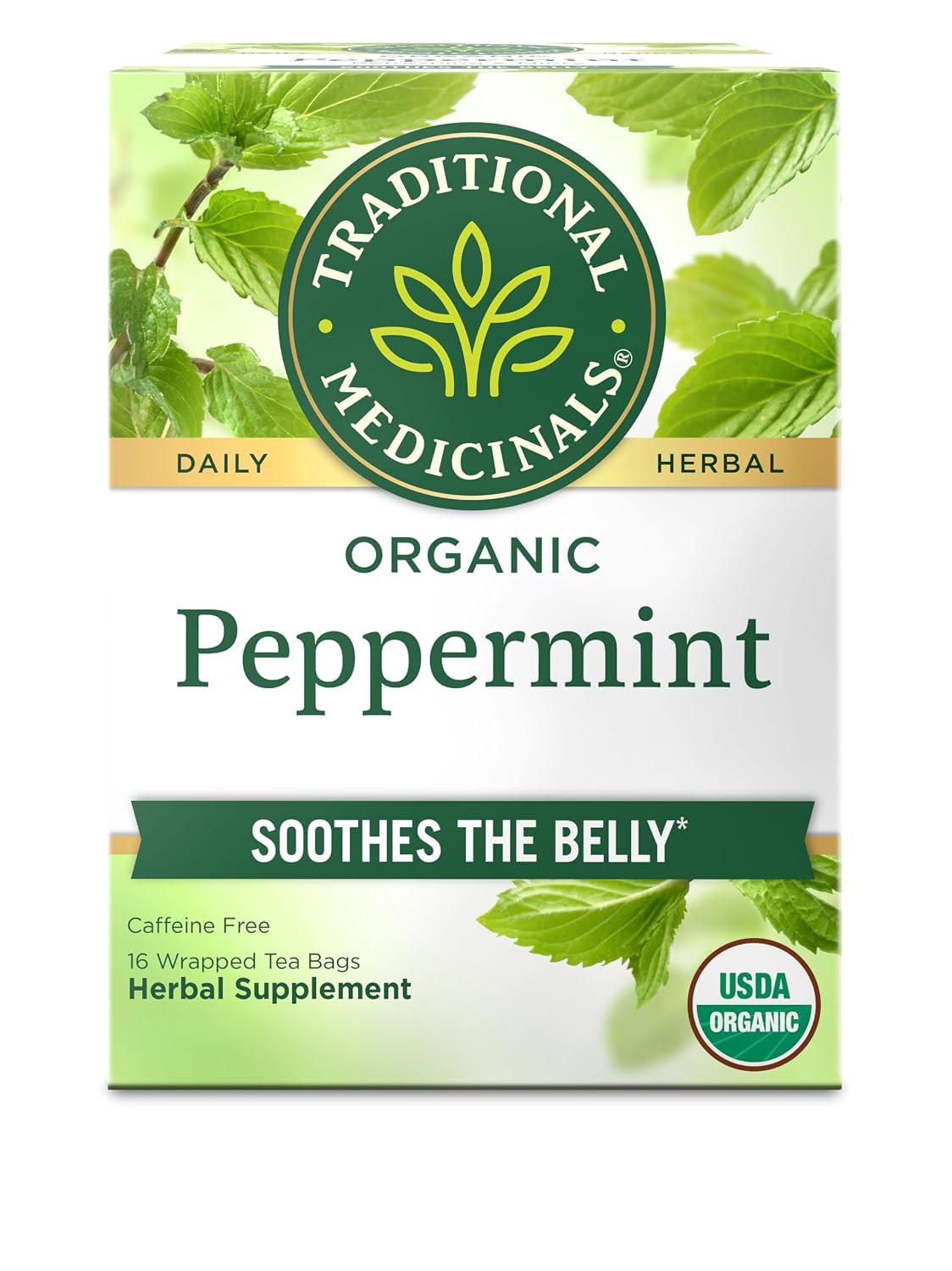
Traditional Medicinals Organic Peppermint
A refreshing, caffeine-free peppermint tea made with organic peppermint leaves. Traditional Medicinals Organic Peppermint offers a simple, minty cup without a complicated herbal blend. Just good old minty cup of tea.
Ginger Tea: Best Tea for Bloating and Fullness After Eating
Ginger deserves a spot near the top of this list because it has been studied for several aspects of digestive function, particularly nausea and stomach motility.
Its main bioactive compounds include gingerols and shogaols, which contribute to its spicy flavor and biological activity. Research suggests ginger can influence gastrointestinal movement, potentially helping food leave the stomach more quickly.
That may be useful for people who describe their bloating as a heavy, uncomfortable fullness in the upper abdomen, not trapped gas lower down.
A small randomized trial published in the World Journal of Gastroenterology investigated ginger in 11 patients with functional dyspepsia, a digestive disorder characterized by symptoms such as early fullness, upper abdominal discomfort, and nausea.
Participants received either 1.2 grams of ginger in capsule form or a placebo. The researchers found that ginger accelerated gastric emptying, reducing the median half-emptying time from 16.1 minutes to 12.3 minutes.
Ginger also has human evidence for reducing certain forms of nausea, particularly pregnancy-related nausea, as summarized by the NCCIH. Its effects on bloating alone are less certain.
For someone who feels uncomfortably full and mildly nauseated after a large meal, ginger tea could be a pleasant option to try. The warm, spicy flavor also makes it particularly suitable after eating.
Choose a tea with ginger as a prominent ingredient instead of assuming that a product labeled ginger-flavored contains a meaningful quantity. Ginger can cause heartburn or abdominal irritation in some people, especially in larger amounts.
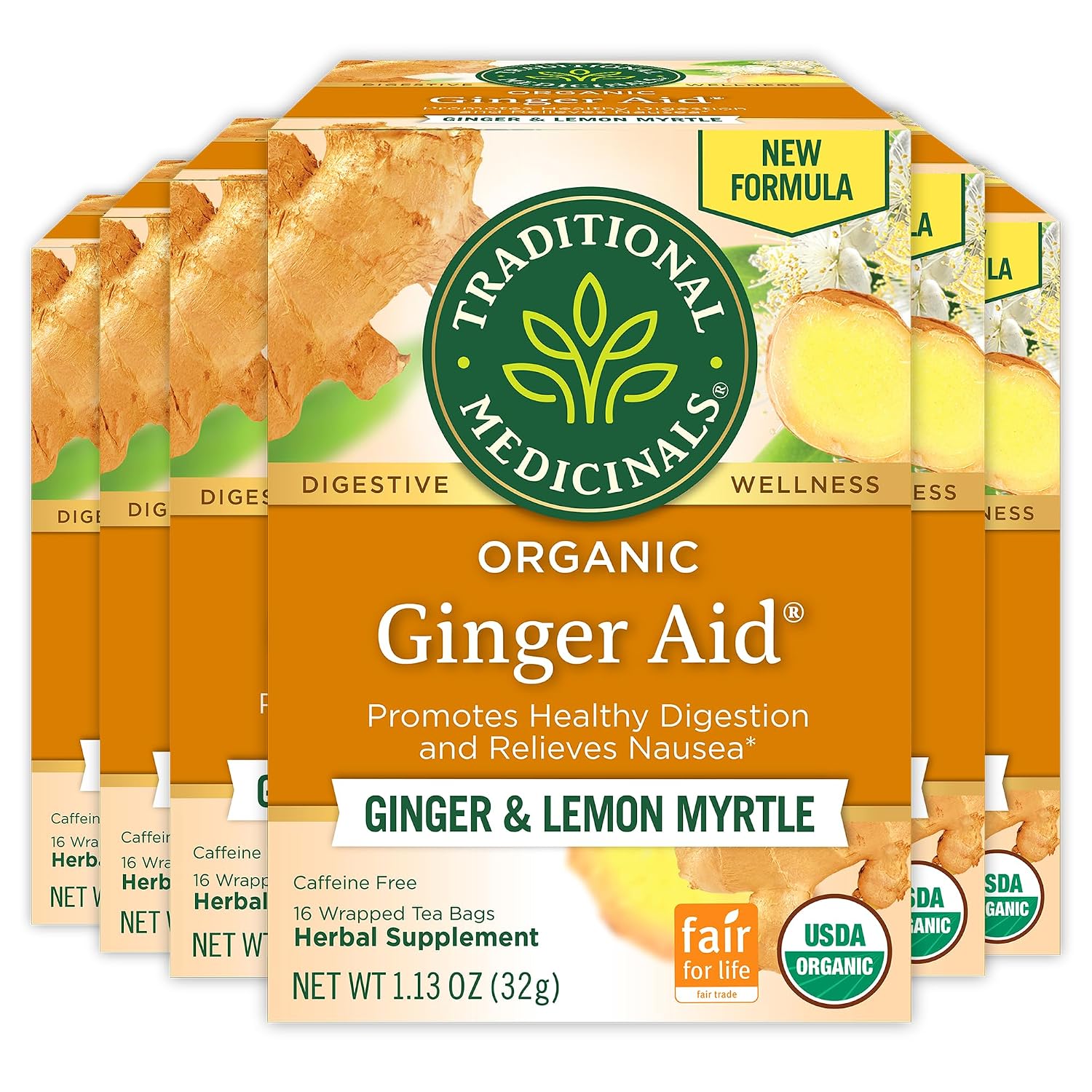
Traditional Medicinals Organic Ginger Aid
Traditional Medicinals Organic Ginger Aid delivers a pleasantly spicy herbal infusion centered on ginger. Its warming flavor makes it especially good after a heavy meal or when mild nausea accompanies fullness.
Fennel Tea: Best Traditional Choice for Gas and Flatulence
Fennel tea has a distinctive, mildly sweet flavor reminiscent of anise or licorice. It’s commonly enjoyed after meals in Mediterranean, Middle Eastern, and Indian food traditions, where fennel seeds have long been associated with digestive comfort.
The seeds of the fennel plant (Foeniculum vulgare) contain aromatic compounds, including anethole, which contribute to their flavor and potential physiological effects.
Laboratory and animal studies suggest that fennel preparations may influence gastrointestinal muscle contractions. These findings offer a plausible explanation for the herb’s traditional use in relieving gas and abdominal cramps, although they don’t establish how effectively a cup of fennel tea works in humans.
Despite fennel’s reputation, there is surprisingly little reliable research measuring whether drinking fennel tea actually reduces abdominal distension, gas volume, or bloating severity.
Still, it’s an excellent choice for occasional post-meal gas, particularly for people who dislike peppermint or ginger. Fennel tea is naturally caffeine-free and can be made from crushed fennel seeds or commercially prepared tea bags.
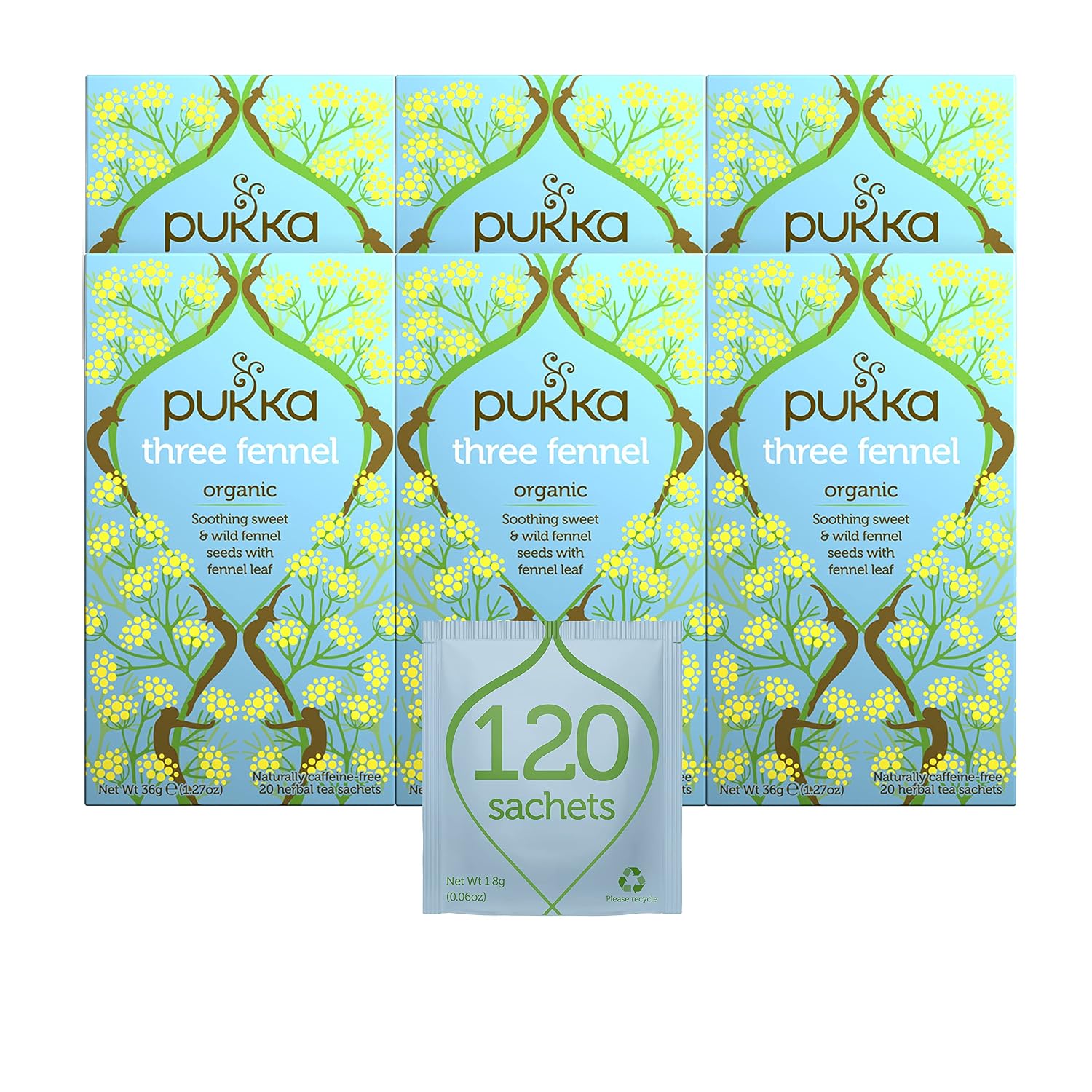
Pukka Three Fennel, Organic Herbal Tea
Pukka Three Fennel combines sweet fennel, wild fennel, and fennel leaf in a naturally caffeine-free herbal infusion. The result is gently sweet, aromatic, and especially pleasant after dinner.
Chamomile Tea: Best for Gentle Evening Digestive Comfort
Chamomile has been used for centuries as a relaxing herbal infusion, but its reputation extends beyond sleep and stress. Traditional herbal medicine also uses chamomile to relieve mild digestive complaints, including abdominal cramps, gas, and bloating. Since its taste is also pleasantly mild, it’s not hard to see why we consider it to be one of the best teas for bloating.
The most widely studied variety is German chamomile (Matricaria recutita), which contains several biologically active compounds, including apigenin and bisabolol.
Some laboratory research suggests these compounds have anti-inflammatory or smooth-muscle-relaxing properties. However, evidence from laboratory experiments cannot tell us whether drinking ordinary chamomile tea will noticeably reduce a bloated stomach.
Chamomile may be particularly good for people who notice that digestive discomfort becomes more noticeable during stressful periods. Stress can affect communication between the brain and digestive tract, influencing intestinal sensitivity and how gastrointestinal symptoms are perceived.
A warm cup of chamomile tea offers a simple way to slow down and relax after a meal. That doesn’t mean the drink directly removes intestinal gas, but the experience may still be comforting.
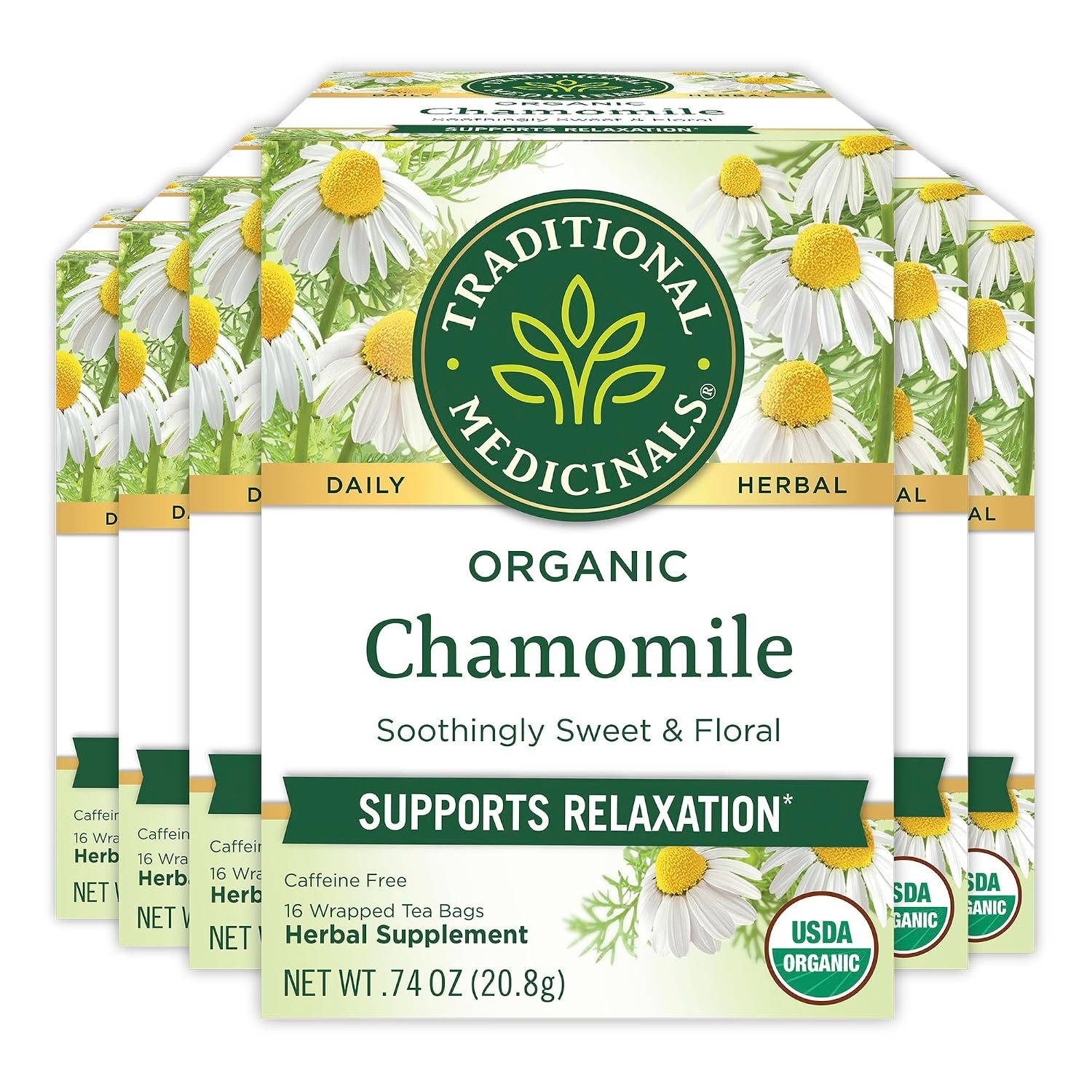
Traditional Medicinals Organic Chamomile
Traditional Medicinals Organic Chamomile is a gentle, floral, caffeine-free infusion made for quieter moments. Chamomile has a long history of digestive use, so if you’re looking for a good tea for bloating, this might be one of the options. Just keep in mind that direct evidence referring to chamomile and reduced bloating is still limited.
Lemon Balm Tea: Best for Stress-Associated Bloating
Lemon balm (Melissa officinalis) is a member of the mint family, although its delicate citrus scent makes it taste quite different from peppermint. Like chamomile, lemon balm has traditionally been used for both nervous tension and digestive discomfort. This combination is interesting because the gut and nervous system communicate continuously through what researchers call the gut-brain axis.
Stress can alter gastrointestinal motility, affect intestinal sensitivity, and make ordinary digestive sensations feel more uncomfortable. In some people, bloating is less about producing an unusually large quantity of gas and more about how the digestive system responds to it.
Lemon balm contains several compounds of scientific interest, including rosmarinic acid. Laboratory research has investigated its effects on smooth muscle activity and nervous system signaling. However, direct clinical evidence that lemon balm tea reduces bloating remains limited.
Lemon balm makes sense as a mild, caffeine-free evening tea for people who experience occasional digestive discomfort and prefer something less strongly flavored than ginger or peppermint.
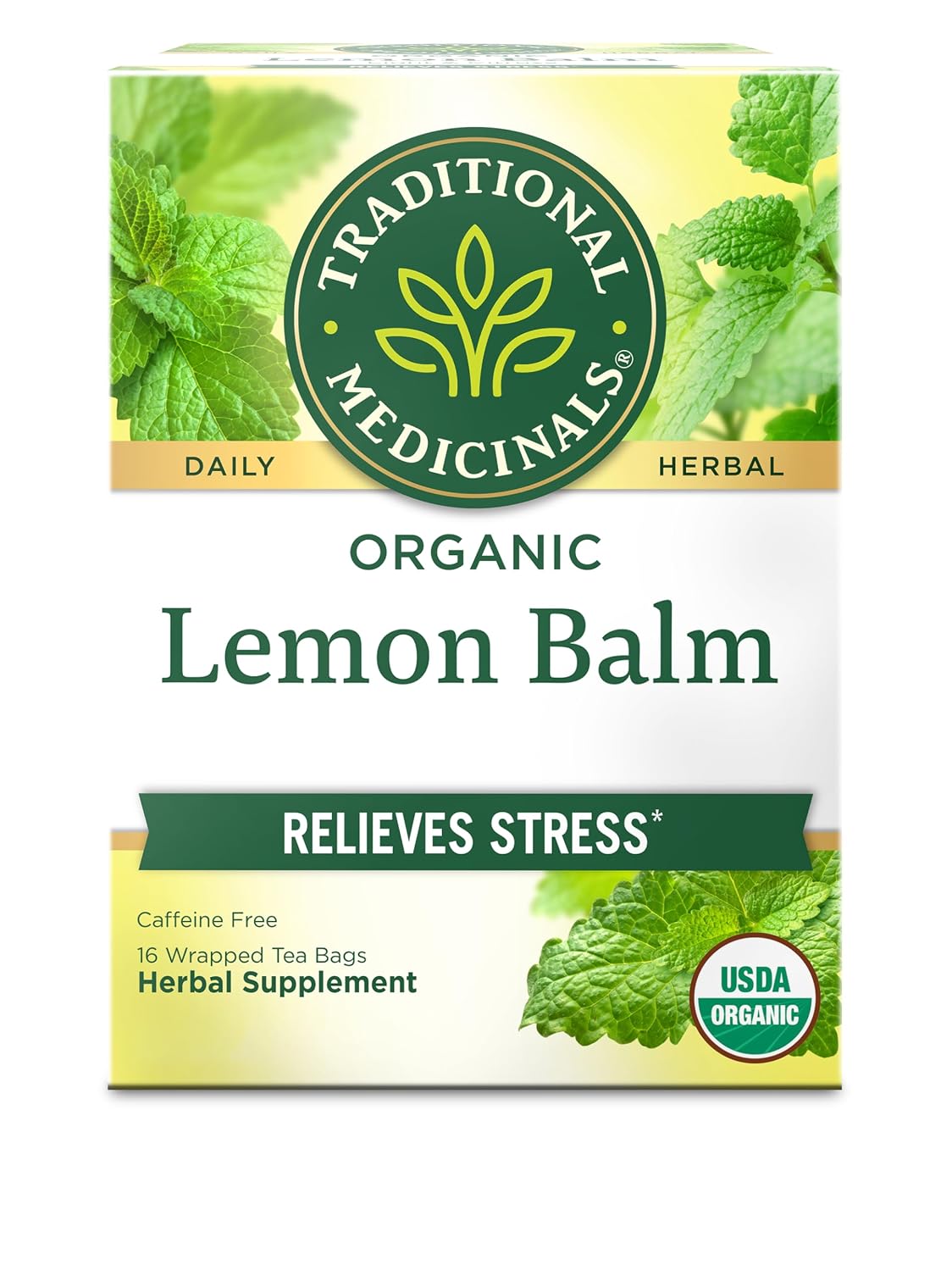
Traditional Medicinals Organic, Lemon Balm
Traditional Medicinals Organic Lemon Balm makes a citrus-scented herbal tea without caffeine. Its soft flavor is easy to enjoy in the evening, particularly if stress and digestive discomfort seem to arrive together.
Caraway Digestive Tea: Best Herbal Blend for Occasional Gas
Caraway is less famous than peppermint or ginger, yet it deserves attention if you’re trying to find the best tea for bloating. The small, aromatic fruits of the caraway plant (Carum carvi) contain volatile compounds, particularly carvone and limonene, which contribute to their distinctive flavor.
Caraway has historically been used as a carminative, a term describing substances traditionally believed to ease gas-related digestive discomfort.
Unlike some herbs on this list, caraway also has research involving standardized preparations combined with peppermint oil. Clinical studies have suggested potential benefits for functional dyspepsia, a condition associated with upper abdominal pain, fullness, and discomfort after meals.
However, it would be misleading to apply these findings directly to caraway tea. The clinical formulations generally contain concentrated essential oils, while herbal teas provide less standardized quantities of the relevant compounds. You can still look for herbal tea mixes that contain caraway, knowing that it might contribute to easing your symptoms.
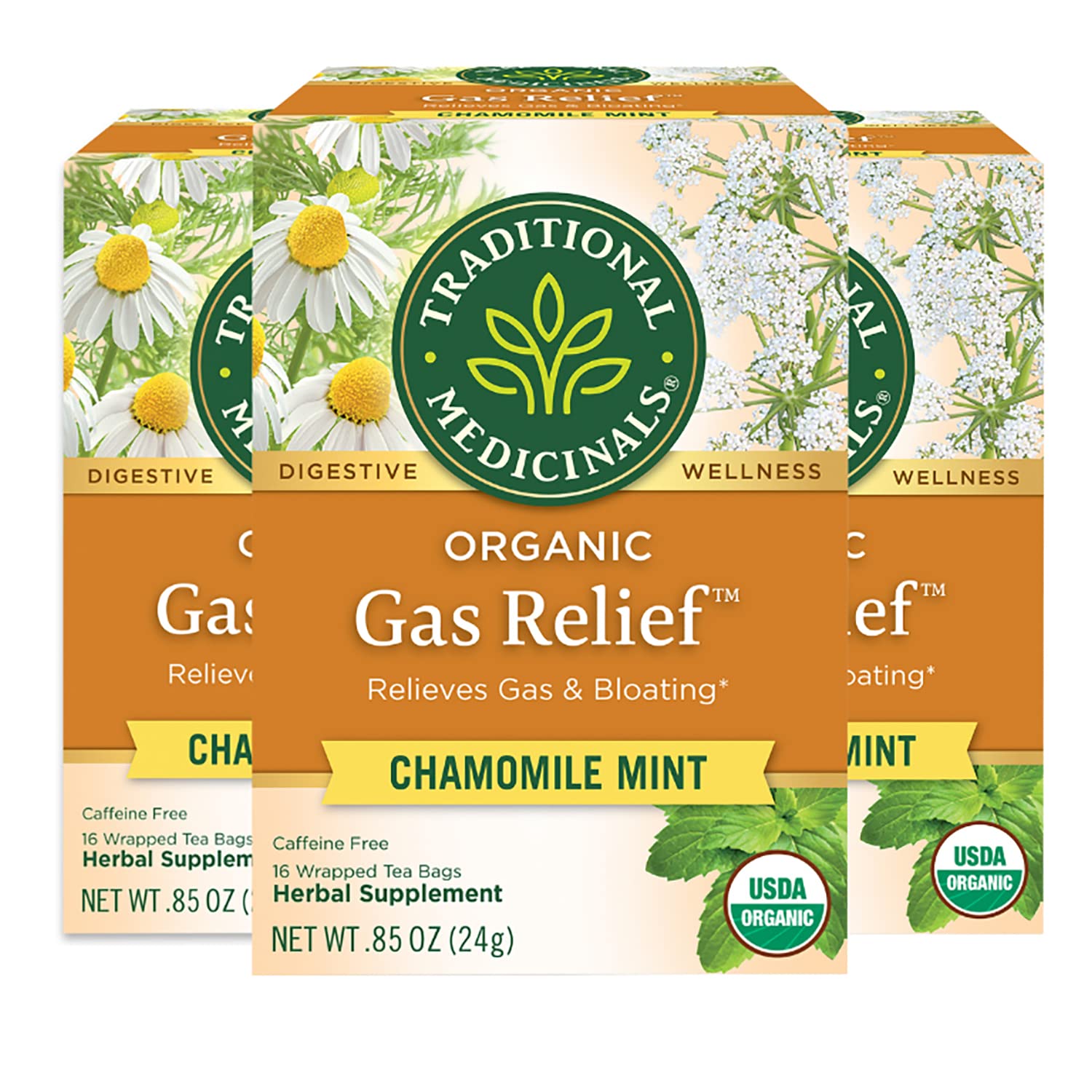
Traditional Medicinals Organic Gas Relief Tea
Traditional Medicinals Organic Gas Relief combines caraway, coriander, chamomile, lemon balm, and peppermint in a caffeine-free infusion. The layered minty, herbal flavor offers an alternative to single-ingredient teas.
Fennel and Ginger Blend: Best for a Warming After-Meal Tea
Some people prefer digestive teas with a more complex flavor instead of drinking plain peppermint, ginger, or fennel. Blends combining aromatic seeds, warming spices, and herbal ingredients are especially common in Ayurvedic-inspired tea products.
Fennel has traditional use for gas and flatulence, while ginger has been investigated for its effects on stomach emptying. Peppermint may influence intestinal smooth muscle activity, and cardamom and coriander are also traditionally used as digestive spices.
If you’re looking for a great middleground-type of tea for bloating, you might want to opt for a mix that has been specifically designed to relieve digestive discomfort.
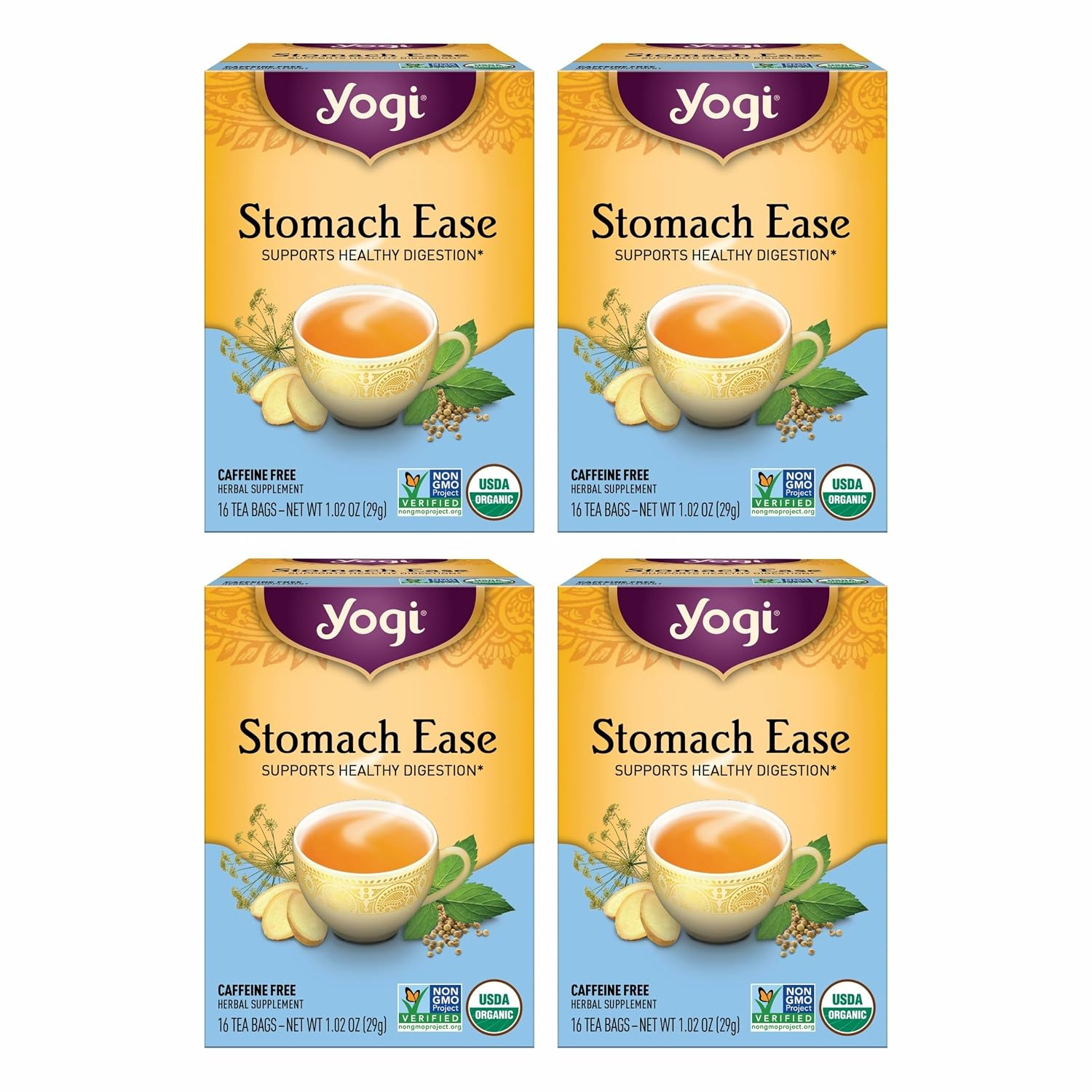
Yogi Stomach Ease Tea
Yogi Stomach Ease combines fennel, peppermint, ginger, cardamom, coriander, and licorice in a warming, caffeine-free herbal blend. Its naturally sweet, spiced taste works well after a meal, without needing added sugar.
Which Tea Should You Choose Based on Your Symptoms?
There’s no single tea for bloating that could fix every situation, so you should instead focus on specific symptoms to nail down the best tea for bloating in your situation.
Bloating With a Heavy, Full Stomach After Eating
Ginger tea is a reasonable starting point, particularly when fullness is accompanied by mild nausea. Research on ginger’s influence on gastric emptying provides a plausible mechanism, although symptom improvement is not guaranteed.
Frequent early fullness, nausea, or upper abdominal discomfort may indicate functional dyspepsia or another condition that deserves evaluation.
Bloating With Intestinal Cramps
Peppermint may be worth trying, provided acid reflux isn’t a concern.
There is clinical evidence supporting some benefits of concentrated peppermint oil for IBS, but direct evidence for brewed peppermint tea remains insufficient.
Bloating With Excessive Gas
Fennel, caraway, or digestive blends containing these herbs are traditional options.
Their reputation is supported more by historical use and pharmacological plausibility than by high-quality clinical trials involving ordinary tea. If you feel frequent gas after eating certain foods, it’s much more viable to start identifying dietary triggers instead of relying on tea for bloating.
Bloating That Seems Worse During Stress
Chamomile or lemon balm may provide a comforting, caffeine-free alternative to coffee or other beverages.
These herbs have traditionally been used for relaxation and mild digestive complaints, although there is no good evidence that they eliminate stress-related bloating.
Bloating With Constipation
None of the teas listed have strong evidence as a treatment for constipation-related bloating. Drinking additional fluids may be helpful for someone who is not adequately hydrated, but a regular cup of herbal tea does not replace effective constipation treatment. For constipation, you might be better with fiber supplements instead.
How Should You Prepare Tea for Bloating?
Herbal teas are relatively easy to prepare, but a few details are worth considering.
The manufacturer’s brewing instructions provide the best starting point for most commercially packaged teas. Different plants require different steeping times, and increasing the amount of herb does not necessarily improve the result.
Peppermint, chamomile, and lemon balm teas are commonly prepared by steeping their leaves or flowers in hot water. Products containing seeds or fruits, such as fennel and caraway, may benefit from longer steeping times or appropriately crushed ingredients.
A few practical habits can make the experience more comfortable:
- Drink slowly, don’t gulp large amounts of liquid.
- Choose a caffeine-free tea if caffeinated drinks tend to worsen your symptoms.
- Avoid drinking a very large volume at once if your stomach already feels uncomfortably full.
- Be cautious with sugar-free sweeteners containing sorbitol, mannitol, or other polyols, which may aggravate gas. Sweeteners, in general, are associated with various side effects.
- Avoid assuming that stronger tea produces stronger therapeutic effects.
There’s also no established evidence that drinking tea at a particular time of day is necessary for bloating relief. An after-meal cup is convenient, but the best timing ultimately depends on tolerance, preference, and the reason for your symptoms.
The Verdict: What Is the Best Tea for Bloating?
Peppermint, ginger, and fennel are among the most reasonable teas to try for occasional bloating, but there’s no scientifically established winner.
Peppermint has the advantage of human research involving IBS, although most studies use concentrated peppermint oil. Ginger has evidence for influencing gastric motility and reducing certain types of nausea, working well when bloating comes with post-meal fullness.
Fennel, caraway, chamomile, and lemon balm all have long histories of traditional digestive use. Their mechanisms are plausible, and they may offer comfort, but claims that they reliably eliminate bloating go beyond what clinical research currently supports.
If you only experience discomfort occasionally, it’s more than fine to choose a tea you just enjoy. A simple peppermint tea, a spicy ginger infusion, or a fragrant fennel blend can be an enjoyable part of your evening without needing to promise dramatic results.
However, persistent bloating deserves more attention than a new tea purchase. Understanding whether your symptoms are related to constipation, food intolerance, digestive sensitivity, or another condition is ultimately more useful than trying one herbal remedy after another.