
Carrot juice has earned quite a reputation in the wellness world. From glowing skin and sharper eyesight to better immunity and heart health, the list of supposed benefits seems almost endless.
The main carrot juice benefits come from its high concentration of beta-carotene, vitamin A, potassium, and other naturally occurring plant compounds. Several of those nutrients play essential roles in maintaining healthy vision, supporting normal immune function, and protecting cells from oxidative damage.
Recent research has also uncovered something particularly interesting. A 2025 human study found that beta-carotene was absorbed more efficiently from fresh carrot juice than from raw carrots, with approximately twice the overall absorption.
So, what is carrot juice good for, how much should you drink, and which benefits are actually supported by research? Let’s look at what a glass of carrot juice can offer.
What Is Carrot Juice Good For?
Carrot juice is particularly good for supplying beta-carotene, a natural pigment that your body converts into vitamin A. Vitamin A plays an essential role in eyesight, immunity, cellular growth, and the maintenance of healthy tissues throughout the body. Carrot juice also provides vitamin C, vitamin B6, vitamin K, potassium, and several other nutrients.
Among the most interesting carrot juice benefits is the concentration of carotenoids you can consume in a single glass. Juicing lets you enjoy nutrients from several carrots without having to eat a large portion of raw vegetables (and honestly, who wants to munch on a whole pile of carrots anyway).
Breaking down the carrot’s fibrous structure during juicing may also improve the availability of certain nutrients, particularly beta-carotene.
The biggest nutritional trade-off involves fiber, though. While the juice retains many vitamins and minerals, the extraction process removes some of the fibrous material naturally present in whole carrots. This in itself is the biggest downside of carrot juice.
Main Carrot Juice Benefits
A single cup of carrot juice provides a surprisingly impressive collection of nutrients. According to USDA nutritional data, one cup of canned carrot juice contains a little under 100 calories, but a whopping 22 mg of beta-carotene. But by the way, one cup also gives you around 15% of recommended daily potassium.
Lets now take a look at 6 other main carrot juice benefits you can reap from a delicious little cup.
Carrot Juice Helps Maintain Healthy Eyesight
Here’s one benefit that most of us have already heard: generations after generations have associated carrots with better eyesight. Fortunately, their reputation has a genuine nutritional foundation.
Vitamin A is essential for normal vision, particularly when you’re trying to see in low-light conditions. Your eyes need vitamin A to produce rhodopsin, a light-sensitive protein in the retina. Rhodopsin helps your eyes respond to dim lighting, which explains why vitamin A deficiency can lead to night blindness.
Adequate vitamin A intake also supports the cornea and other structures involved in normal eye function. According to the National Institutes of Health, severe vitamin A deficiency can cause several eye disorders, including xerophthalmia.
Beyond beta-carotene, carrot juice contains smaller amounts of lutein and zeaxanthin. Researchers have studied both carotenoids for their roles in maintaining eye health. Of course, carrot juice isn’t a magic worker that will give you noticeably sharper vision, but carrot juice may help maintain normal eye function.
Carrot Juice Supports Normal Immune Function
Vitamin A plays an important role in the development and functioning of immune cells. Your immune system relies on numerous nutrients to maintain its protective functions, and carrot juice supplies several of them.
Vitamin A contributes to the maintenance of epithelial tissues, including the protective lining of your respiratory and digestive systems. Healthy tissues help form a physical barrier against potentially harmful microorganisms.
Carrot juice also provides vitamin C, which contributes to normal immune function through several mechanisms, including supporting immune-cell activity.
Together, the nutrients help explain why immune support is frequently mentioned among carrot juice benefits. Again, carrot juice won’t do any magic tricks here if your overall nutritional status is poor and there’s no research proving that carrot juice would specifically protect you against colds, but it’s a little additional perk that can support your overall immune function.
Carrot Juice May Support Skin Health
Among the most popular carrot juice benefits are claims about brighter skin, fewer wrinkles, and a healthier complexion.
The scientific explanation begins again with beta-carotene, vitamin A, and vitamin C. Beta-carotene is especially renowned here thanks to its pigments. Dietary carotenoids can contribute to skin coloration and participate in antioxidant processes.
Vitamin A is involved in skin-cell growth and differentiation, while vitamin C helps the body produce collagen, a structural protein essential for skin integrity.
Certain studies involving carotenoid-rich diets or supplements suggest possible effects on skin appearance and responses to sunlight. However, direct evidence demonstrating comparable effects from regular carrot juice consumption is still limited. Don’t believe anyone claiming that a daily glass of carrot juice can clear acne or reverse skin aging, but there’s no denying that, when considering your whole diet and lifestyle, a glass of carrot juice won’t hurt.
Carrot Juice Provides Potassium for Heart Health
One of the more practical carrot juice benefits is its contribution to daily potassium intake.
Potassium is an essential mineral involved in regulating fluid balance, supporting nerve communication, and maintaining normal muscle contractions. Adequate potassium intake also contributes to blood pressure regulation, partly through its relationship with sodium.
According to the NIH Office of Dietary Supplements, potassium-rich diets are associated with healthier blood pressure levels, particularly among people consuming high amounts of sodium.
A cup of carrot juice contains approximately 689 mg of potassium, which makes it a meaningful dietary source.
The interesting question is whether carrot juice consumption itself improves cardiovascular health. In a 2011 pilot study published in Nutrition Journal, researchers investigated the effects of drinking 16 ounces of fresh carrot juice daily for three months.
Participants underwent several measurements before and after the intervention, including blood pressure, cholesterol, triglycerides, and markers of oxidative stress. Blood cholesterol, triglycerides, and several other cardiovascular risk markers showed no statistically significant changes. The reduction in systolic blood pressure narrowly missed the conventional threshold for statistical significance.
The study was small and lacked a separate control group, which limits how confidently we can attribute the observed changes to carrot juice, but there still seems to be at least a small link between carrot juice and normal cardiovascular function.
Carrot Juice Supplies Antioxidants
Carrot juice is rich in carotenoids, including beta-carotene and alpha-carotene, along with smaller quantities of other naturally occurring plant compounds. Several of those substances have antioxidant activity.
The previously mentioned 2011 carrot juice study found that consuming fresh carrot juice for three months improved certain measurements associated with antioxidant status. Participants experienced increased plasma antioxidant capacity and reduced malondialdehyde.
A 2024 review published in Nutrition Research Reviews examined human intervention studies involving different fruit and vegetable juices. Researchers identified promising outcomes for certain juices, while also highlighting the limited amount of research available for carrot juice specifically.
The antioxidant compounds in carrots are interesting, and their biological functions are worth understanding. Claims about preventing cancer, reversing aging, or detoxifying organs don’t have strong clinical evidence though, so don’t believe any such claims that might circle around in social media.
Carrot Juice May Improve Beta-Carotene Absorption
Of all the carrot juice benefits we’ve explored, improved beta-carotene absorption is among the most interesting because researchers have investigated it directly in humans.
A 2025 study published in Nutrition Research and Practice compared the absorption of beta-carotene from fresh carrot juice and raw carrots. Participants consumed approximately 25 mg of beta-carotene from either raw carrots or fresh carrot juice, while researchers measured blood carotenoid concentrations over the following 24 hours.
Despite receiving the same beta-carotene dose, the participants experienced different absorption patterns.
Raw carrots contain plant cell walls that can limit the release of beta-carotene during digestion. Juicing disrupts the vegetable’s structure, making some carotenoids easier to access.
However, several details matter when interpreting the findings. Participants consumed 320 g of raw carrots or 530 g of carrot juice to obtain the same beta-carotene dose. Both test meals included 50 mL of canola oil to support carotenoid absorption.
The study therefore examined specific experimental conditions, and the results cannot be applied directly to every ordinary serving of carrot juice. Researchers also found no significant differences between the groups in the antioxidant-capacity measurements they examined.
Still, this could mean that even just the preparation method affects how easily your body can absorb beta-carotene.
Is Drinking Carrot Juice Healthier Than Eating Whole Carrots?
Juicing changes the nutritional profile of carrots in several ways. A glass of carrot juice can contain the nutrients from multiple carrots, making it easy to consume considerable amounts of beta-carotene and potassium.
Whole carrots retain more fiber, require chewing, and tend to be more filling (because of the fiber).
To show you the difference more clearly, we compared USDA-derived nutritional values for one cup of carrot juice and one cup of chopped raw carrots:
| Carrot juice, 1 cup | Raw carrots, 1 cup | |
| Calories | 94 kcal | 52 kcal |
| Natural sugars | 9.2 g | 5.8 g |
| Dietary fiber | 1.9 g | 3.6 g |
| Potassium | 689 mg | 410 mg |
| Beta-carotene | 22 mg | 10.6 mg |
One cup of carrot juice contains approximately twice as much beta-carotene and nearly 70% more potassium than one cup of chopped raw carrots. However, juice also contains more calories and natural sugar.
Raw carrots provide nearly twice the fiber per cup. The 2025 absorption study adds another dimension to the comparison, suggesting that beta-carotene may become more accessible when carrots are juiced.
Ultimately, this is not to say either option is inherently better or worse: carrots are healthy either way. You can always enjoy carrot juice alongside plenty of whole vegetables, too.
Carrot Juices That Are Worth Buying on Amazon
The nutritional quality of bottled carrot juice can vary considerably between brands. Some products contain little more than carrots and lemon juice, while others combine several fruits, vegetables, and spices.
To find a few worthwhile options, we compared the published ingredients and nutrition labels of some of the best carrot juices you can currently find on Amazon.
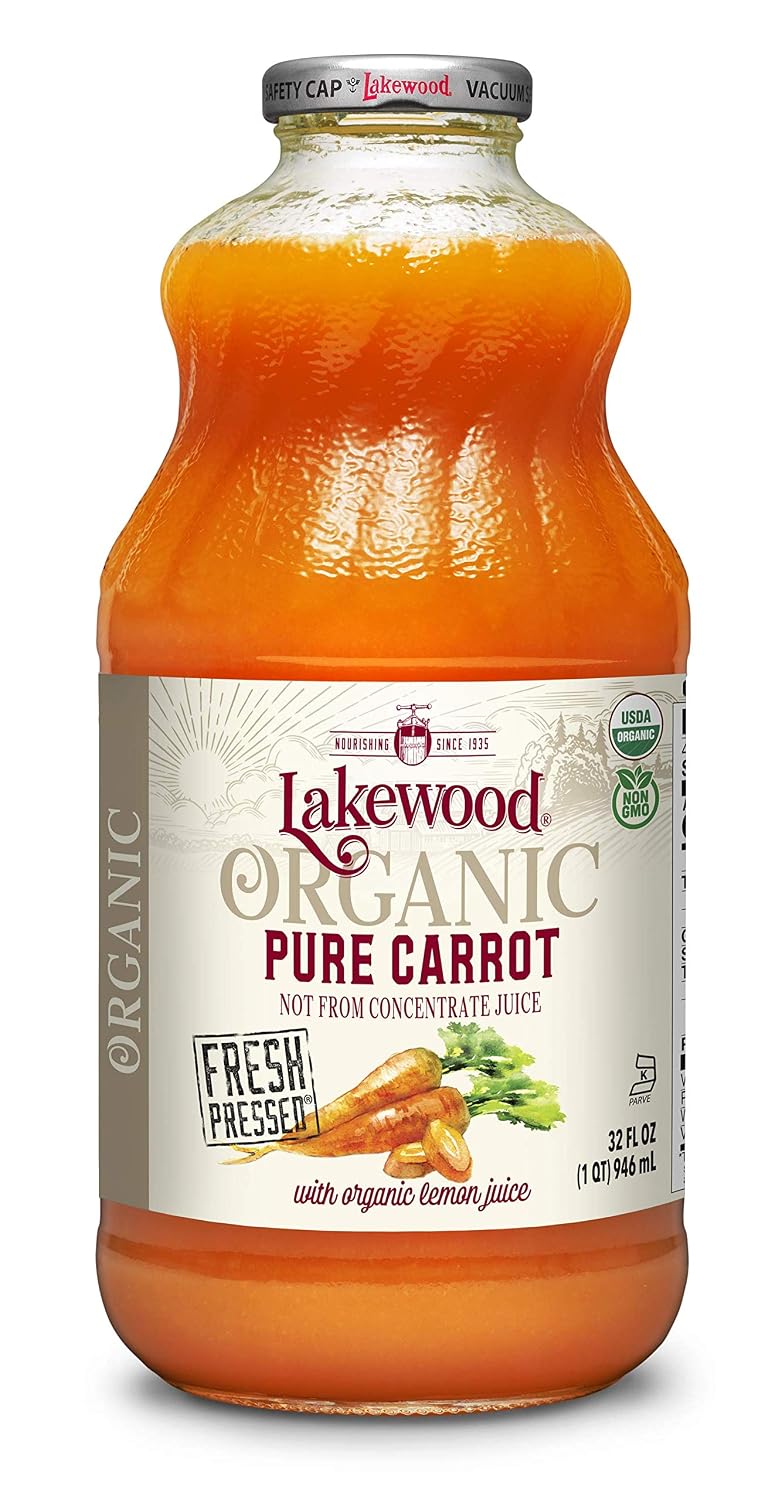
Lakewood Organic PURE Carrot Juice
Best for: A simple carrot juice with no added sugar
Organic pure 100% carrot juice is hard to find from stores, yet that’s exactly what Lakewood provides! Their juice range also includes a version with organic lemon juice, if you’d like a little sour vibe.
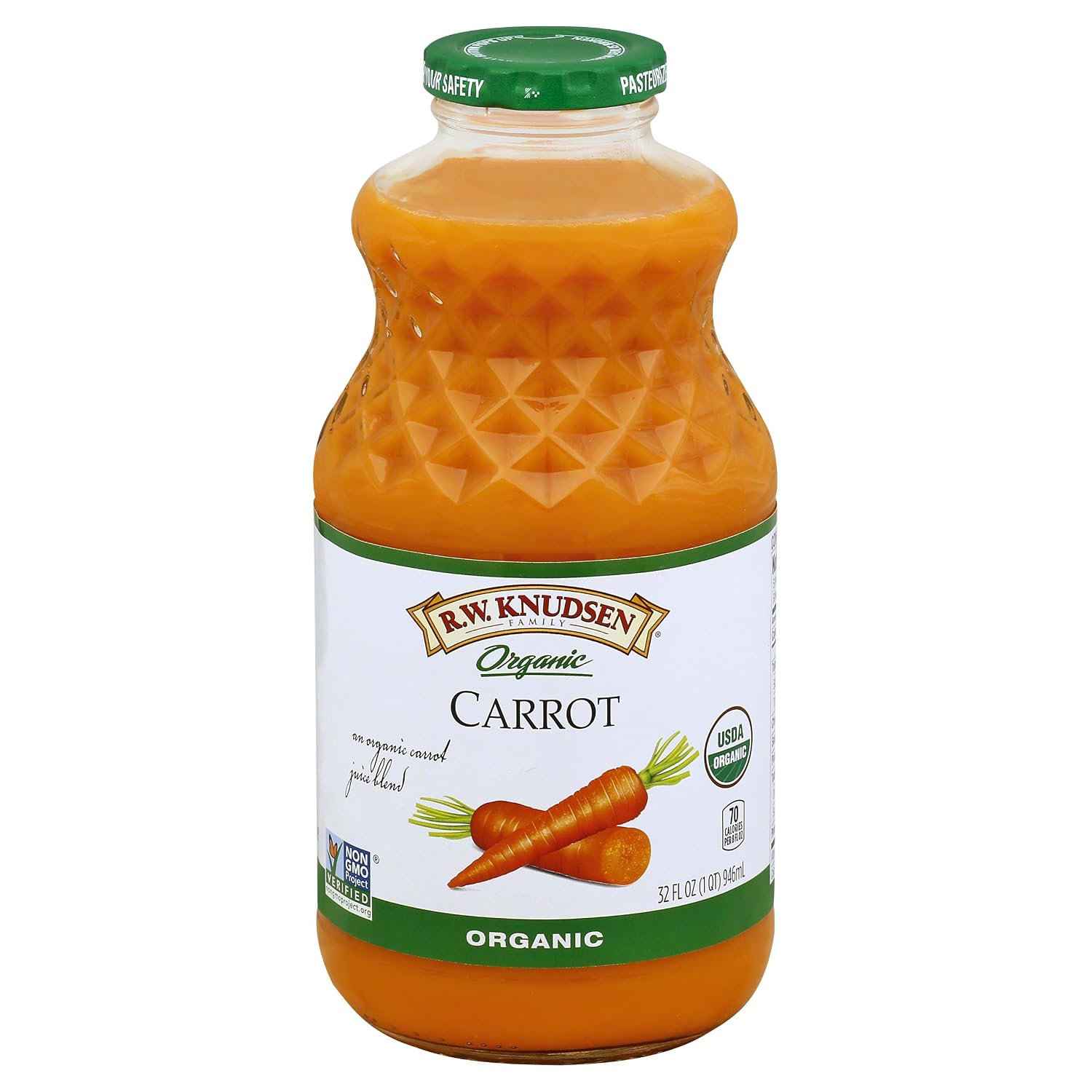
R.W. Knudsen Organic Carrot Juice
Best for: A lower-sodium organic carrot juice
R.W. Knudsen Organic Carrot Juice combines organic carrots with a hint of lemon juice, creating a simple, unsweetened vegetable drink. The mild carrot-and-lemon combination is amazing both chilled and used in homemade juice blends, especially if you like experimenting with juice options.
Note that quite many carrot juices out there contain citric acid, which could potentially be a problematic additive. Industrial citric acid may have some health risks associated with it, so we recommend steering clear of any juices that contain unnecessary additives. Instead, opt for carrot juices that contain only pure juice.
Are There Any Side Effects of Drinking Carrot Juice?
Most healthy adults can enjoy carrot juice without problems when consuming reasonable portions. If you plan to drink it regularly though, you should consider a few of the following drawbacks.
Carrot Juice Contains Natural Sugar
Carrots are naturally sweet, and their sugars become part of the juice during extraction.
According to USDA-derived data, one cup contains approximately 9 g of sugar, although commercial products may provide considerably more especially if they’re mixed with other juices (like orange juice). Without even realising, you can easily overdo with sugar, despite it being natural sugar.
Serving size also matters because liquids are easy to consume quickly, so yo ucan easily overdo. That’s something to consider – even if juice is made of carrots, it doesn’t make it inherently the healthiest choice.
Juicing Removes Some Dietary Fiber
Dietary fiber is one of the main nutritional components lost during juicing. Traditional juicers separate the liquid from the pulp, removing some of the vegetable material that contributes to digestive health and fullness.
Whole carrots contain more fiber and require additional chewing, which can influence how satisfying they feel. Plus, fiber’s benefits on gut health are almost incomparable.
You might want to consider using carrots in smoothies instead, so you’d reap fiber’s health benefits as well as everything that carrots can offer.
Excessive Carrot Juice Can Turn Your Skin Orange
Drinking unusually large quantities of carrot juice for an extended period can cause carotenemia. The condition develops when carotenoids accumulate in the skin, sometimes creating a yellow-orange tint around the palms, soles, and face.
Carotenemia is usually harmless and gradually resolves when carotenoid intake decreases but of course, noone wants to look like an Oompa-Loompa if your goal was to just get a nice glowing skin.
How Much Carrot Juice Should You Drink a Day?
A small glass of approximately 4–6 fluid ounces is a reasonable serving for many healthy adults. There’s no actual daily requirement level for carrot juice, so your ideal serving will depend on your diet, nutritional needs, and overall beverage consumption.
Even a relatively small serving supplies a useful amount of beta-carotene. Even just half a cup of carrot juice gives you 11 mg beta-carotene.
Larger servings can also fit into a healthy diet, although drinking several glasses daily may add more sugar and calories than you realize. We recommend enjoying carrot juice mostly as an afternoon snack together with something that contains some protein and fiber, so you’d end up with a nice nutritious snack.
How Can You Get the Most Benefits From Carrot Juice?
Enjoying carrot juice with the right foods can help you make better use of its nutrients. Here are a few tips and tricks to keep in mind:
- Pair your carrot juice with some healthy fat. Beta-carotene is fat-soluble, meaning dietary fat helps the body absorb it. Eggs, avocado, nuts, or yogurt are great options to enjoy alongside a glass of juice.
- Choose unsweetened products. Carrots already provide natural sweetness, so additional sugar is unnecessary. Checking the full nutritional label also helps you compare natural sugar levels.
- Choose carrot juices that don’t have any additives. If you want to get a bottled option from grocery store, make sure it doesn’t contain any additional additives, such as citric acid which can be potentially harmful, instead of helping your health.
- Experiment with fresh ingredients. Ginger, lemon, cucumber, and a little orange can complement carrots beautifully. Fresh herbs such as mint are another option if you want a more refreshing drink.
And to top that, make sure carrot juice doesn’t become a new trendy habit to try in the hopes of getting that bright skin. A glass of carrot juice you genuinely like drinking is much easier to incorporate into your routine than a complicated wellness drink that feels like another daily chore. Remember, wellness isn’t a chore, it’s something you should joy and like as part of your natural lifestyle.