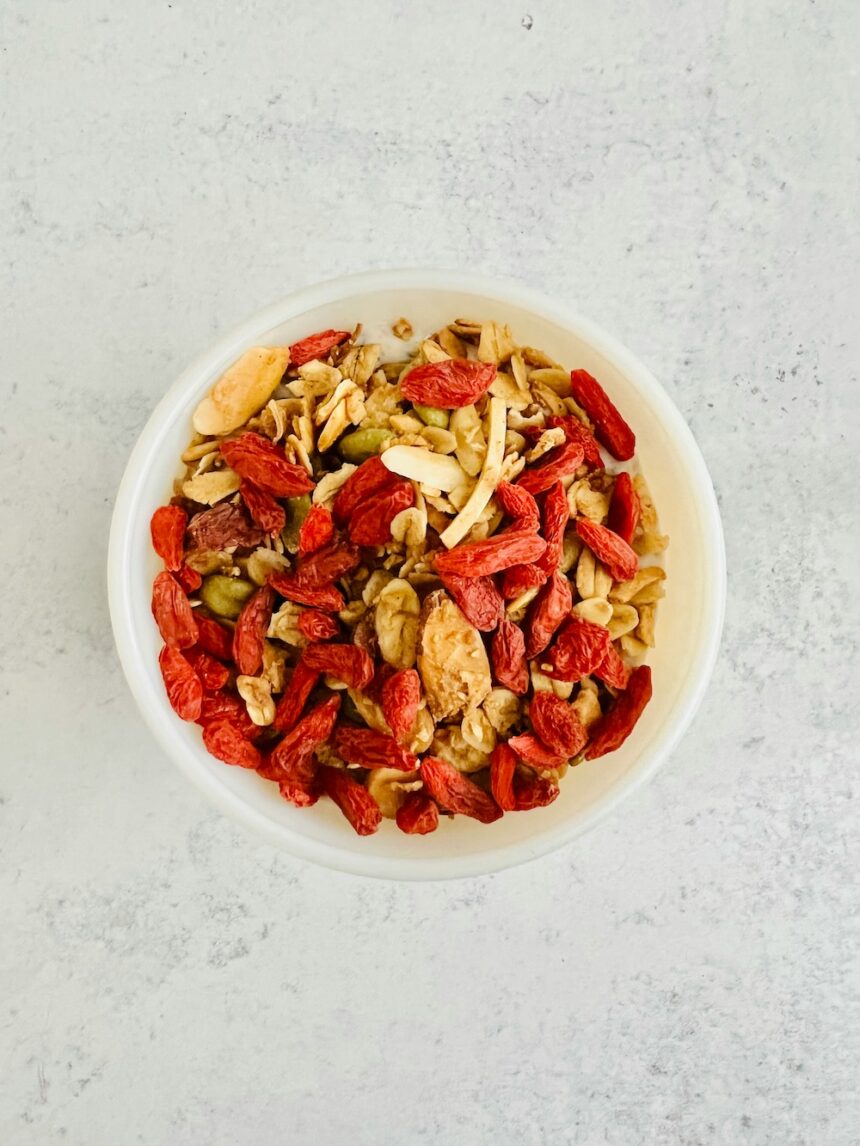
Goji berries have one of the most impressive résumés in the fruit world. Better eyesight? Check. Glowing skin? Apparently. More energy, stronger immunity, and a longer life? According to some wellness websites, these little red berries practically come with a superhero cape.
Search for “goji berries benefits” or “goji berries health benefits,” and you’ll find promises stretching from better digestion to eternal youth. Their marketing team certainly deserves a raise.
Fortunately, goji berries have genuine nutritional advantages. They’re packed with carotenoids, offer a surprising amount of protein for a fruit, and have attracted researchers interested in everything from eye health to blood sugar regulation.
Some findings are genuinely impressive. Others have been dressed up in rather extravagant marketing outfits.
So, are goji berries worth adding to your diet? Let’s examine the goji berry benefits supported by science, the claims that need more convincing, and what a handful of these bright red fruits can actually do for your health.
What Are Goji Berries, Anyway?
Goji berries, also known as wolfberries, are small, bright red fruits belonging to the Lycium genus. Two commonly consumed species are Lycium barbarum and Lycium chinense.
Originally associated with East Asia, these berries have been part of Chinese cuisine and traditional medicine for centuries. Long before wellness influencers discovered smoothie bowls, goji berries were making appearances in soups, teas, and herbal preparations.
Fresh goji berries resemble tiny elongated tomatoes. Their dried counterparts look like red raisins that have spent a little too much time in the sun.
The flavor is equally interesting: mildly sweet, slightly tart, and occasionally a little earthy. Imagine a cranberry and a raisin getting together for a rather unusual first date.
Botanically, goji berries belong to the nightshade family, making them relatives of tomatoes, potatoes, and peppers.
Their bright coloring comes partly from carotenoids, a family of plant pigments with important biological functions. One particular carotenoid, zeaxanthin, is responsible for some of the most compelling goji berry health benefits.
Goji Berry Nutrition: What’s Inside a Handful?
Before getting carried away by the health claims, there’s a more practical question worth answering: what nutrients do goji berries actually provide? A typical serving is approximately 28 grams (one ounce) of dried goji berries.
According to USDA FoodData Central, here’s what you’ll get:
| Amount per 28 g | |
| Calories | 98 kcal |
| Protein | 4 g |
| Carbohydrates | 21.6 g |
| Natural sugars | 12.8 g |
| Dietary fiber | 3.6 g |
| Fat | 0.1 g |
| Iron | 1.9 mg |
| Calcium | 53 mg |
| Vitamin C | 13.6 mg |
Four grams of protein from a small serving of fruit? That’s certainly worth a second look.
The fiber content deserves applause, too. A single serving supplies around 13% of the FDA’s daily fiber reference value.
Goji berries also contain carotenoids, including beta-carotene and zeaxanthin, alongside polyphenols and distinctive plant polysaccharides.
Of course, dried fruit comes with concentrated natural sugars. Almost 13 grams per serving isn’t insignificant, especially if you’re treating an entire bag like a bottomless popcorn bucket.
Healthworks Organic Dried Goji Berries
Healthworks gojis are certified organic and one of the best rated goji berries in Amazon’s selection. Their goji berry product range has even a 2 pound option, so you can easily stock up on the superfood berry.

Terrasoul Superfoods Organic Goji Berries
Terrasoul goji berries are sun-dried, nice and chewy, plus certified organic. Add them in your smoothie bowls or oatmeal or just enjoy with an evening cup of tea!
8 Goji Berry Benefits Worth Knowing About
The overall nutritional profile is impressive for such a small fruit. But nutrients alone don’t tell us whether goji berries can deliver the benefits their reputation promises. Lets go over some of the main health benefits that have been attributed to these tiny tomato-like berries.
1. Goji Berries May Help Protect Your Eyesight
Among all the health benefits of goji berries, eye health has some of the most interesting human evidence.
The star ingredient is zeaxanthin, a carotenoid that accumulates in the macula, the small central portion of the retina responsible for sharp, detailed vision.
Together with lutein, zeaxanthin forms macular pigment. Think of this pigment as a built-in pair of sunglasses, helping filter some high-energy visible light while supporting the retina’s antioxidant defenses.
Goji berries happen to be an unusually rich source of zeaxanthin. A 2021 randomized pilot trial published in Nutrients investigated what happened when middle-aged adults consumed 28 grams of dried goji berries five times weekly for 90 days.
Researchers compared the berries with a supplement containing lutein and zeaxanthin. After three months, participants consuming goji berries showed statistically significant increases in macular pigment optical density at two retinal locations. No significant changes were observed within the supplement group.
A separate 2018 randomized study involving 114 people with early age-related macular degeneration also reported increased macular pigment density and blood zeaxanthin levels after participants consumed 25 grams of goji berries daily for 90 days.
Those are meaningful findings. Macular pigment plays an important role in eye health, and researchers are interested in whether increasing it could help reduce age-related damage.
The studies measured improvements in eye-health markers, though. Long-term protection against vision loss still needs confirmation, and the 2021 trial was small and unblinded.
Goji berries have a credible claim to being an eye-friendly food, but of course, don’t take this as a sign to devour a whole bag of these berries every day.
2. They Deliver Antioxidants That Help Defend Your Cells
Every day, your body produces reactive molecules called free radicals. Some participate in normal biological processes. Excessive amounts, however, can contribute to oxidative stress, potentially damaging proteins, fats, and DNA.
Your body already has an antioxidant defense system working around the clock. Think of it as a microscopic maintenance crew keeping cellular wear and tear under control. Goji berries bring additional recruits to that crew.
Their antioxidant compounds include carotenoids, polyphenols, and polysaccharides. Laboratory studies have demonstrated antioxidant activity, while some human trials have found improvements in blood markers associated with oxidative stress.
A 2024 overview of five meta-analyses identified improvements in certain oxidative stress measurements among people consuming goji berry products.
Of course, antioxidant activity in a laboratory doesn’t automatically translate into fewer diseases in humans. The internet loves jumping from “contains antioxidants” to “prevents aging” in one spectacular leap. Biology is considerably more complicated.
Researchers have yet to establish that regularly eating goji berries extends lifespan or prevents cancer. Still, their impressive collection of plant compounds makes them a worthwhile addition to an antioxidant-rich diet.
3. Goji Berries Could Improve Cholesterol Levels
Could goji berries benefit your heart? Research suggests they might influence certain blood lipid measurements, particularly triglycerides and HDL cholesterol. The 2024 research overview summarized several meta-analyses examining goji berries and related extracts.
One analysis involving 10 clinical trials and 547 participants reported:
- Triglycerides decreased by approximately 12.4 mg/dL.
- HDL cholesterol increased by approximately 2.3 mg/dL.
- LDL cholesterol showed no significant overall change.
- Blood pressure did not improve significantly.
The changes were relatively modest, but they’re still worth examining. Researchers suspect that polysaccharides and other compounds in goji berries may influence lipid metabolism. The exact mechanisms, particularly in humans, are still being investigated.
There’s an important distinction to make, too: clinical studies have used dried berries, concentrated juices, and isolated extracts. Their effects aren’t necessarily interchangeable. A handful of dried berries cannot be assumed to reproduce every result obtained with a concentrated preparation.
Even so, improvements in triglycerides and HDL cholesterol are among the more interesting potential benefits of goji berries.
4. They May Support Blood Sugar Regulation
Blood sugar management has attracted plenty of attention in goji berry research. One reason involves their polysaccharides, complex carbohydrate compounds that scientists are investigating for potential effects on glucose metabolism and insulin signaling.
Animal and laboratory experiments have produced encouraging findings. Human studies offer a smaller but still intriguing collection of results. A 2017 meta-analysis, summarized in the 2024 literature overview, found that goji berry interventions reduced fasting blood glucose by an average of approximately 6.5 mg/dL. Another pooled analysis also reported improvements in glucose-related measurements.
Promising? Certainly. A diabetes treatment hiding inside a dried berry? We’re a long way from making that claim.
Several trials were small, lasted only a few weeks or months, and used different goji preparations. Larger studies are necessary to establish how consistently these effects occur.
Meanwhile, dried goji berries contain carbohydrates and natural sugars. Their potential metabolic effects don’t erase their carbohydrate content. For someone managing diabetes, goji berries can be considered within an individualized eating plan, with attention to serving size and blood glucose responses.
5. Their Fiber Content Gives Your Digestion a Helping Hand
Digestive health doesn’t always get the glamorous headlines. Yet a happy digestive system contributes enormously to how comfortable you feel throughout the day. And sometimes, the most useful nutritional solutions are also the least complicated.
Enter dietary fiber. A 28-gram serving of dried goji berries supplies approximately 3.6 grams of fiber, making them a useful contributor to your daily intake.
Goji berries contain polysaccharides that have attracted particular interest in prebiotic research. Much of the work remains experimental, with researchers still investigating how those compounds influence human gut bacteria.
For everyday digestion, the reliable benefit is simpler: goji berries provide fiber, and adequate dietary fiber helps support bowel regularity. No extravagant gut-cleanse ritual required.
Pair them with oats, yogurt, or other fiber-rich foods, and you’ve got an easy way to give your digestive system something useful to work with.
6. They’re Surprisingly Good Sources of Iron
Who would expect a tiny dried berry to make a meaningful contribution to iron intake? Yet goji berries deliver approximately 1.9 milligrams of iron per 28-gram serving.
Without enough iron, the body struggles to maintain healthy oxygen transport. Iron deficiency can eventually lead to anemia, which may cause tiredness, weakness, and other symptoms.
Goji berries contain non-heme iron, the form found in plant foods. Your body generally absorbs non-heme iron less efficiently than the heme iron found in animal foods. Pairing iron-containing plant foods with vitamin C-rich ingredients can improve absorption.
A breakfast bowl combining goji berries, strawberries, and oats, for example, delivers a mixture of fiber, iron, and vitamin C.
7. They Contain More Protein Than You’d Expect From Fruit
Most people don’t reach for fruit when they’re hunting for protein. And understandably so. Strawberries, grapes, and apples aren’t exactly heavyweight champions in the protein department.
Goji berries, however, have a little more muscle behind their reputation. A 28-gram serving of dried berries provides approximately 4 grams of protein, according to USDA nutritional data.
For comparison, a similar weight of fresh blueberries contains only a fraction of a gram.
Of course, comparing dried fruit with fresh fruit isn’t entirely fair because the water content differs dramatically. Nevertheless, goji berries have an unusually high protein concentration for a fruit.
Their protein contains several essential amino acids, although amino acid composition doesn’t automatically make a food a complete protein source in practical dietary terms.
Four grams of protein won’t replace your eggs, Greek yogurt, or lentils. Sprinkling goji berries over a protein-rich breakfast, however, adds a useful little bonus.
8. Goji Berries Might Help With Fatigue and Energy
Feeling like your internal battery is perpetually stuck at 12%? Goji berries have been promoted as natural energy boosters for years.
Some of that reputation comes from their carbohydrate content, which provides dietary energy just like other carbohydrate-containing foods. The more intriguing claims involve fatigue, concentration, and subjective well-being.
A 2008 randomized, placebo-controlled trial examined 34 adults consuming either 120 mL of standardized goji berry juice or a placebo daily for two weeks. Participants drinking the goji juice reported improvements in several areas, including perceived energy, sleep quality, concentration, and fatigue.
The results sound encouraging, but there are important limitations. Only 34 participants were included, the trial lasted 14 days, and the research involved a commercial goji juice manufacturer. Many outcomes also relied on subjective questionnaires instead of objective performance measurements. As a result, researchers haven’t established that eating dried goji berries makes people more energetic or improves athletic performance.
A bowl of nutritious food can certainly contribute to feeling better, especially when it helps you eat enough and meet your nutritional needs. Expecting goji berries to replace sleep, recovery, or adequate calorie intake would be giving them a job far beyond their qualifications.
Healthworks Organic Dried Goji Berries
Healthworks gojis are certified organic and one of the best rated goji berries in Amazon’s selection. Their goji berry product range has even a 2 pound option, so you can easily stock up on the superfood berry.
Terrasoul Superfoods Organic Goji Berries
Terrasoul goji berries are sun-dried, nice and chewy, plus certified organic. Add them in your smoothie bowls or oatmeal or just enjoy with an evening cup of tea!
Are Goji Berries Safe to Eat Every Day?
For most healthy adults, ordinary food-sized servings of goji berries are generally well tolerated. Still, even nutritious foods can come with a few catches.
Medication interactions deserve particular attention. Goji berry products have been associated with increased bleeding risk in people taking warfarin, a prescription anticoagulant. Several published case reports describe dangerously elevated blood-thinning measurements following goji berry consumption. Anyone taking warfarin should avoid adding goji products without guidance from their prescribing clinician.
Product quality matters as well. Research has identified pesticide residues and other contaminants in some goji berry samples, although measured concentrations and safety implications vary. Buying from reputable suppliers with appropriate quality controls is sensible, especially for products consumed regularly.
Finally, large portions of dried goji berries can contribute considerable calories and naturally occurring sugars. A 100-gram quantity contains approximately 349 calories and 46 grams of sugar. Small fruit, big numbers.
How Many Goji Berries Should You Eat Per Day?
There’s no established daily requirement for goji berries, and researchers haven’t determined an ideal dose for general health. Human studies have commonly used approximately 15–30 grams of dried berries per day, although some trials have investigated larger quantities or specialized preparations.
For everyday eating, a 20–30 gram serving is a practical starting point. That provides a meaningful contribution of fiber and other nutrients without turning a small snack into an unexpectedly large portion of dried fruit.
You can eat them straight from the bag, although their slightly chewy texture may take some getting used to.
Soaking dried goji berries in warm water softens them, making them particularly useful for porridge, smoothies, and other recipes.
5 Easy Ways to Eat More Goji Berries
Fortunately, enjoying goji berries doesn’t require expensive powders, mysterious supplement blends, or a blender with more horsepower than your car.
A few simple ideas can make them part of your regular meals:
- Give oatmeal a fruity makeover. Add goji berries, cinnamon, and chopped walnuts to your morning oats. The berries soften during cooking, creating little pockets of sweetness.
- Sprinkle them over Greek yogurt. Combine with fresh berries and pumpkin seeds for a breakfast or dessert that delivers protein, fiber, and plenty of flavor.
- Add them to homemade trail mix. Pair goji berries with almonds, pistachios, and a little dark chocolate. Sweet, crunchy, and considerably more interesting than another handful of plain raisins.
- Blend them into smoothies. Soak dried berries briefly before blending them with strawberries, peaches, or other fruit.
- Try them in savory dishes. Goji berries work surprisingly well in rice dishes, grain bowls, soups, and salads. Their sweet-tart flavor can add an interesting contrast to herbs and savory ingredients.
One of the most appealing benefits of goji berries is their versatility. A modest serving can fit into breakfast, lunch, dinner, or a snack without requiring you to reorganize your entire diet.
Final Verdict: Are Goji Berries Worth Eating?
Goji berries have spent years occupying the celebrity section of the superfood aisle, complete with extravagant health promises and occasionally outrageous price tags. Even Victoria’s Secret models have raved over gojis.
Strip away the marketing, and there’s still plenty to appreciate. Their zeaxanthin content makes them particularly interesting for eye health. Fiber, iron, and protein add genuine nutritional value, while early clinical evidence suggests potential benefits for blood lipids, glucose metabolism, and certain immune responses.
Other claims deserve less enthusiasm. Weight-loss miracles, wrinkle prevention, and dramatic energy boosts remain far beyond what the available research can confidently promise.
Fortunately, a food doesn’t need magical powers to deserve a place in your kitchen. Goji berries are nutritious, versatile, and genuinely interesting from a scientific perspective. Enjoy them for their flavor and nutritional advantages, and let future research determine whether their more ambitious health claims are worth celebrating. A little red berry already has enough going for it without having to promise immortality.